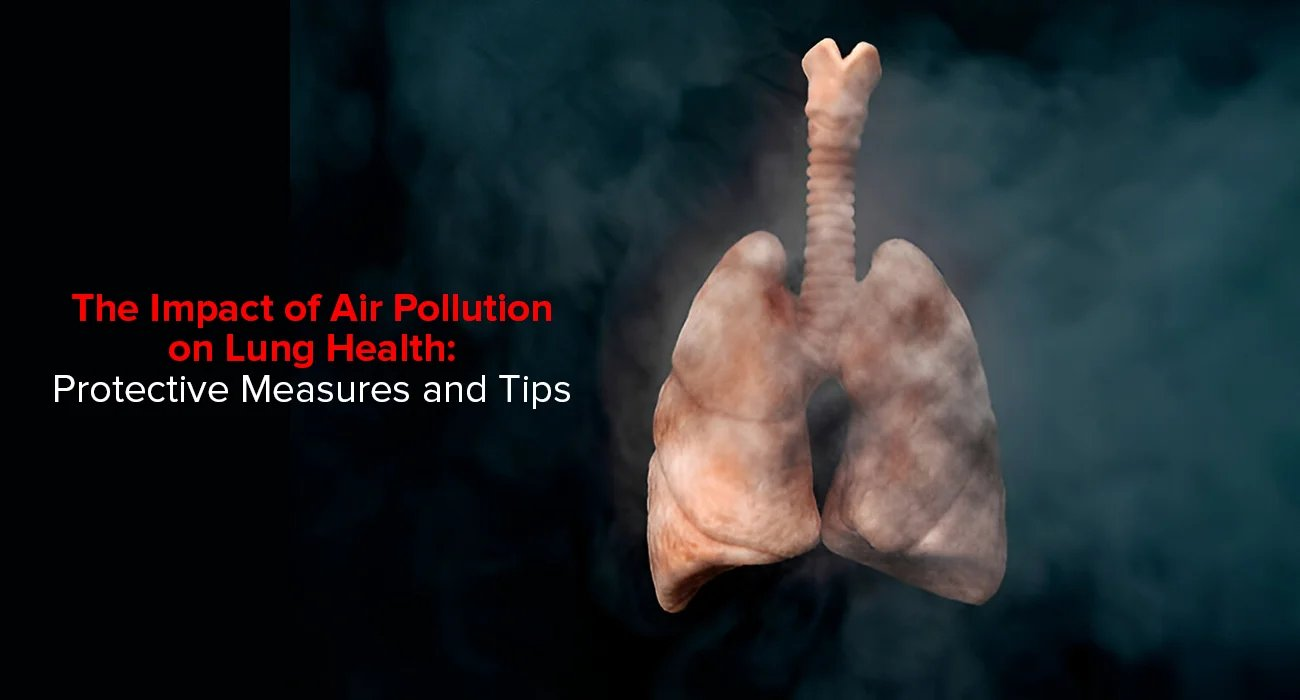

Discover how air pollution impacts respiratory health, worsening asthma and COPD. Learn protection strategies, warning signs, and essential actions to safeguard your lungs from toxic air.
Introduction
Air pollution respiratory health has emerged as one of the most urgent public health crises of our time, silently damaging millions of lungs worldwide. Every breath you take in polluted air introduces harmful particles and gases that attack your respiratory system, triggering asthma attacks, worsening chronic obstructive pulmonary disease (COPD), and increasing the risk of life-threatening complications. This comprehensive analysis explores how air quality directly impacts respiratory conditions and provides essential strategies to protect yourself and your loved ones.
Understanding Air Pollution Respiratory Health: The Hidden Threat
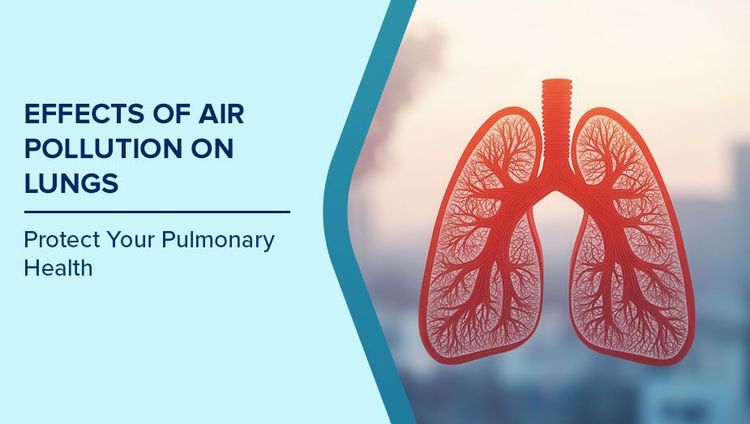
Air pollution comprises a toxic mixture of particulate matter, nitrogen dioxide, sulfur dioxide, ozone, carbon monoxide, and volatile organic compounds that infiltrate our lungs with every breath. These pollutants originate from vehicle emissions, industrial facilities, power plants, wildfires, and even household products, creating both outdoor and indoor air quality challenges.
The respiratory system serves as the frontline defense against these airborne toxins, but prolonged exposure overwhelms natural protective mechanisms. According to the World Health Organization, air pollution causes approximately 7 million premature deaths annually, with respiratory diseases accounting for a significant portion of this mortality.
The relationship between air pollution and respiratory health operates through multiple pathways: inflammation, oxidative stress, impaired immune function, and direct tissue damage. Understanding these mechanisms helps explain why certain populations face heightened vulnerability and how protective measures can reduce harm.
How Air Pollution Triggers and Worsens Asthma
Asthma affects over 300 million people globally, and air pollution serves as one of the most significant environmental triggers for both developing asthma and experiencing acute attacks. The connection between air pollution respiratory health and asthma manifests through several critical pathways.
Particulate Matter and Airway Inflammation
Particulate matter (PM), especially PM2.5 particles smaller than 2.5 micrometers, penetrates deep into lung tissue, triggering inflammatory responses that characterize asthma. These microscopic particles bypass upper respiratory defenses, reaching bronchioles and alveoli where they activate immune cells and release inflammatory mediators.
For people with asthma, this inflammation causes airway constriction, mucus production, and increased sensitivity to other triggers. Studies demonstrate that even short-term exposure to elevated PM2.5 levels increases emergency room visits for asthma by up to 25%. Children living near major roadways show 50% higher asthma rates compared to those in areas with cleaner air.
Ozone’s Impact on Asthmatic Airways
Ground-level ozone, formed when pollutants react with sunlight, functions as a powerful lung irritant particularly dangerous for asthma sufferers. Ozone exposure damages the epithelial lining of airways, increasing permeability and allowing allergens and irritants easier access to sensitive tissue.
Summer months typically bring higher ozone levels, correlating with increased asthma exacerbations. Research shows that for every 10 parts per billion increase in ozone concentration, asthma hospitalizations rise by 3-4%. Athletes and children exercising outdoors during high ozone days face especially elevated risks.
Nitrogen Dioxide and Bronchial Hyperresponsiveness
Nitrogen dioxide (NO2), primarily from vehicle exhaust and industrial emissions, increases bronchial hyperresponsiveness—the tendency of airways to constrict excessively in response to triggers. Long-term NO2 exposure not only worsens existing asthma but also increases the likelihood of developing asthma in previously healthy individuals.
Children exposed to high NO2 levels show reduced lung function development and increased lifetime asthma risk. The pollution’s impact during critical growth periods can create permanent respiratory vulnerabilities lasting into adulthood.
Air Pollution’s Devastating Effects on COPD
Chronic obstructive pulmonary disease (COPD) encompasses progressive lung conditions including chronic bronchitis and emphysema that obstruct airflow and make breathing increasingly difficult. While smoking remains the primary COPD risk factor, air pollution respiratory health research reveals that environmental exposures significantly contribute to disease development and progression.
Accelerated Lung Function Decline
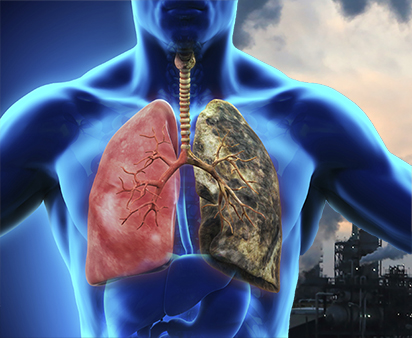
COPD patients experience gradual lung function deterioration over time, but air pollution dramatically accelerates this decline. Studies tracking COPD patients in polluted versus clean environments show that those in high-pollution areas lose lung capacity 2-3 times faster than those breathing cleaner air.
Particulate matter exposure causes chronic inflammation that damages alveoli—tiny air sacs responsible for oxygen exchange. This destruction is irreversible, progressively limiting breathing capacity and reducing quality of life. For individuals already struggling with COPD, pollution exposure hastens progression toward respiratory failure and oxygen dependence.
Increased Exacerbations and Hospitalizations
COPD exacerbations—sudden worsening of symptoms requiring medical intervention—directly correlate with air pollution levels. Research demonstrates that elevated pollution exposure increases COPD hospitalization rates by 20-40%, with particularly strong associations for PM2.5, NO2, and sulfur dioxide exposure.
These exacerbations aren’t merely uncomfortable; they cause additional lung damage, reduce overall lung function, and increase mortality risk. Each hospitalization marks another step in COPD’s progressive trajectory, making pollution avoidance critical for disease management. For comprehensive strategies on preventing noncommunicable diseases including respiratory conditions, visit Chiid Health’s prevention guide.
Mortality Risk Amplification
Air pollution significantly increases mortality risk among COPD patients. Data analysis reveals that long-term exposure to elevated PM2.5 concentrations increases COPD death risk by 15-20% for every 10 μg/m³ increase in pollution levels. This relationship persists even at pollution levels currently considered “acceptable” by some regulatory standards.
The mechanism involves multiple pathways: increased infection susceptibility, cardiovascular strain from chronic inflammation, and direct respiratory failure during high-pollution episodes. COPD patients living in polluted areas face substantially shortened life expectancies compared to those in cleaner environments.
Beyond Asthma and COPD: Other Respiratory Conditions Affected by Air Pollution
Air pollution respiratory health impacts extend far beyond asthma and COPD, affecting various respiratory conditions and creating new disease risks.
Lung Cancer Development
Long-term exposure to air pollution, particularly diesel exhaust and PM2.5, significantly increases lung cancer risk even among non-smokers. The International Agency for Research on Cancer classifies outdoor air pollution as a Group 1 carcinogen—definitively cancer-causing to humans.
Studies estimate that air pollution causes approximately 15-20% of lung cancer cases globally. Carcinogenic particles damage DNA, promote cellular mutations, and create inflammatory environments conducive to tumor development. Areas with higher pollution levels consistently show elevated lung cancer rates independent of smoking prevalence.
Respiratory Infections and Pneumonia
Air pollution impairs immune function within the respiratory tract, increasing susceptibility to viral and bacterial infections. Pollutants damage cilia—tiny hair-like structures that sweep pathogens and debris from airways—compromising this first-line defense mechanism.
Children and elderly individuals exposed to high pollution levels experience more frequent respiratory infections, longer illness duration, and higher pneumonia rates. During flu season, pollution exposure amplifies infection severity and complication risks, contributing to excess mortality during pollution episodes.
Interstitial Lung Diseases
Emerging research links air pollution exposure to interstitial lung diseases (ILD)—conditions causing progressive scarring of lung tissue. While these diseases have multiple causes, environmental exposures including air pollution appear to trigger disease onset in susceptible individuals and accelerate progression in diagnosed patients.
The mechanisms mirror those in COPD and asthma: chronic inflammation, oxidative stress, and tissue remodeling that ultimately impairs oxygen exchange and breathing capacity.
Vulnerable Populations: Who Faces Greatest Risk?
Air pollution respiratory health impacts affect everyone, but certain populations face disproportionate vulnerability requiring targeted protective measures.
Children and Developing Lungs
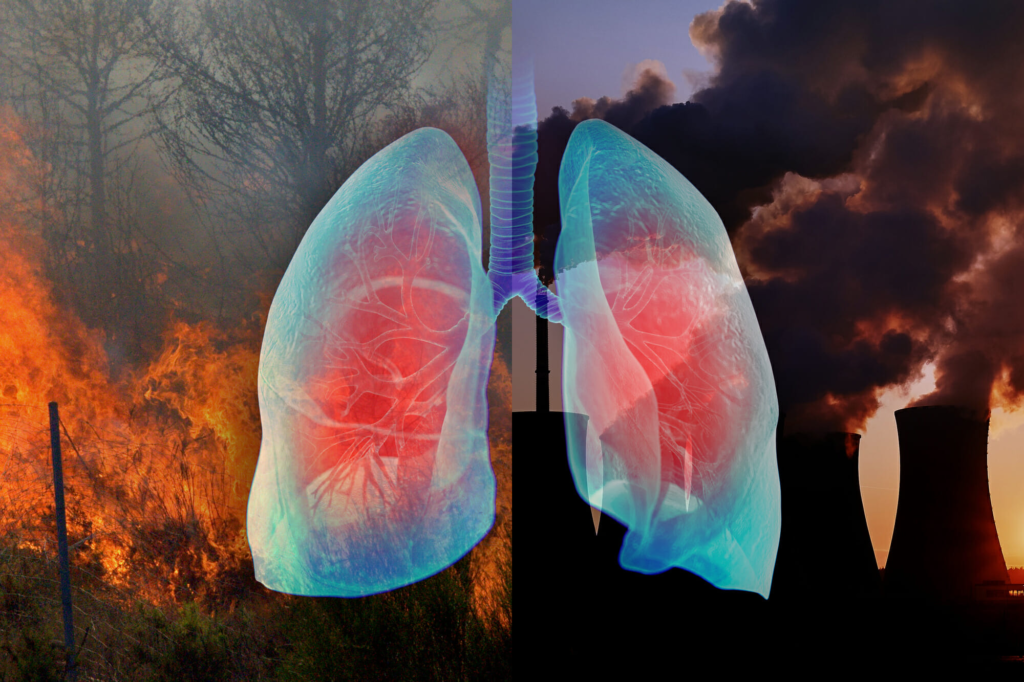
Children breathe more rapidly than adults, inhaling greater pollution volumes relative to body size. Their developing lungs are particularly susceptible to pollution-induced damage that can create lifelong respiratory vulnerabilities. Exposure during critical growth periods may permanently reduce lung capacity and increase asthma, allergies, and chronic respiratory disease risks extending into adulthood.
Schools located near highways or industrial areas expose millions of children to harmful pollution levels during formative years. Playground activities during high-pollution periods compound exposures, making timing and location of outdoor activities critical considerations.
Elderly Adults with Compromised Systems
Age-related decline in lung function and immune response makes elderly individuals particularly vulnerable to air pollution respiratory health impacts. Many seniors already manage chronic respiratory conditions that pollution worsens, creating dangerous feedback loops.
Elderly populations show higher hospitalization and mortality rates during pollution episodes. Even individuals without diagnosed respiratory disease experience breathing difficulties, reduced activity tolerance, and cardiovascular strain when pollution levels rise.
Pregnant Women and Fetal Development
Pregnancy represents a critical vulnerability window where maternal pollution exposure affects fetal lung development. Research demonstrates that pregnant women exposed to high pollution levels deliver babies with reduced lung function, increased asthma risk, and greater respiratory infection susceptibility during early life.
Pollutants cross the placental barrier, directly exposing developing fetal tissue to inflammatory agents and oxidative stress. These impacts manifest not only at birth but persist throughout childhood, suggesting permanent developmental alterations from prenatal pollution exposure.
People with Existing Respiratory Conditions
Individuals already diagnosed with asthma, COPD, or other respiratory diseases face amplified risks from any pollution exposure. Their compromised respiratory systems lack the resilience to manage additional inflammatory burdens, making even moderate pollution levels potentially dangerous.
This population requires especially vigilant pollution monitoring and aggressive protective measures during high-pollution periods. Understanding personal vulnerability helps guide appropriate behavioral responses to air quality warnings.
Warning Signs That Air Pollution Is Affecting Your Respiratory Health
Recognizing pollution-related respiratory symptoms enables timely intervention and protection. Watch for these indicators:
Acute Symptoms: Increased coughing, wheezing, shortness of breath, chest tightness, or throat irritation during or after time outdoors, especially on high-pollution days. Worsening of usual asthma or COPD symptoms when pollution levels rise indicates direct environmental impact.
Chronic Changes: Gradually declining exercise tolerance, persistent morning cough, increased respiratory infections, or slowly worsening breathing difficulties despite stable medical management may reflect cumulative pollution exposure effects.
Cardiovascular Symptoms: Air pollution affects more than lungs—watch for increased heart palpitations, fatigue, or reduced stamina, as pollution drives systemic inflammation affecting cardiovascular function.
If you experience these symptoms, especially correlated with pollution patterns, consult healthcare providers and implement protective measures. For comprehensive mental and physical wellness strategies, explore resources at Chiid Health’s mental wellness section.
Can Air Pollution Cause Respiratory Problems in People Without Pre-Existing Conditions?
Yes, air pollution causes respiratory problems even in previously healthy individuals. Long-term exposure to polluted air increases the risk of developing asthma, COPD, lung cancer, and other respiratory diseases from scratch. Studies show that people living in high-pollution areas experience new-onset asthma at significantly higher rates than those in cleaner environments, regardless of family history or other risk factors. Children growing up breathing polluted air may develop permanently reduced lung capacity affecting them throughout life. Short-term exposure to very high pollution levels can cause acute respiratory symptoms—coughing, throat irritation, breathing difficulty—even in people with perfectly healthy lungs. The degree of risk depends on pollution intensity, exposure duration, and individual susceptibility, but no one is completely immune to air pollution’s respiratory effects.
What Air Quality Index Level Should I Avoid Outdoor Activities?
The Air Quality Index (AQI) provides guidance for activity modifications based on pollution levels. Sensitive groups—children, elderly, pregnant women, and people with respiratory conditions—should limit prolonged outdoor exertion when AQI reaches 101-150 (orange/unhealthy for sensitive groups). All individuals should reduce outdoor activities when AQI exceeds 151 (red/unhealthy), and everyone should avoid outdoor exertion when AQI surpasses 201 (purple/very unhealthy). During extremely hazardous conditions (AQI above 300), remain indoors with windows closed and air purifiers running. Check local AQI daily through weather apps or AirNow.gov before planning outdoor activities. If you must be outdoors during poor air quality, minimize exertion intensity and duration, stay away from busy roads, and consider wearing N95 masks for protection. Children should have recess and sports activities moved indoors when AQI exceeds 100.
Do Indoor Air Purifiers Actually Help Protect Respiratory Health?
Yes, quality air purifiers with HEPA filters effectively reduce indoor air pollution and protect respiratory health when used properly. HEPA filters capture 99.97% of particles 0.3 micrometers or larger, removing PM2.5, pollen, mold spores, and many other respiratory irritants from indoor air. Studies demonstrate that air purifier use reduces asthma symptoms, decreases COPD exacerbations, and improves lung function measurements among people with respiratory conditions. However, effectiveness depends on several factors: purifier size must match room dimensions, filters require regular replacement, and units need continuous operation for maximum benefit. Air purifiers work best as part of comprehensive strategies including source reduction—avoiding indoor smoking, using low-VOC products, and maintaining good ventilation. While purifiers cannot eliminate all pollutants, especially gases like ozone, they significantly reduce particulate matter that poses the greatest respiratory health risks.
Should I Wear a Mask to Protect Against Air Pollution?
Properly fitted N95 or KN95 masks provide meaningful protection against particulate air pollution during high-pollution episodes or when outdoor exposure is unavoidable. These masks filter at least 95% of airborne particles including PM2.5, the most health-damaging pollution component. Research confirms that mask-wearing during polluted conditions reduces respiratory symptoms and improves lung function markers among people with asthma and COPD. However, masks require proper fit—gaps around edges allow unfiltered air entry, negating protection. Cloth and surgical masks offer minimal pollution protection as they don’t filter small particles effectively. For daily commutes through traffic or outdoor activities during orange/red AQI days, N95 masks provide practical respiratory protection. Children, elderly individuals, and those with breathing difficulties may find prolonged mask-wearing uncomfortable, so prioritizing indoor time during peak pollution remains the best strategy.
Essential Strategies for Protecting Your Respiratory Health From Air Pollution
While systemic solutions require policy changes and pollution reduction at source, individual actions significantly reduce personal exposure and protect respiratory health.
Monitor Air Quality Daily
Check Air Quality Index (AQI) forecasts daily through apps like AirNow, weather services, or local environmental agencies. Plan outdoor activities around pollution levels, scheduling exercise and children’s playtime during cleaner air periods, typically early morning before traffic peaks.
Understanding AQI categories helps make informed decisions. Green (0-50) indicates good air quality safe for everyone. Yellow (51-100) suggests moderate air quality generally acceptable. Orange (101-150) signals unhealthy conditions for sensitive groups. Red (151-200) means unhealthy for everyone. Purple (201-300) indicates very unhealthy conditions requiring significant activity restrictions.
Optimize Indoor Air Quality
Since people spend 90% of time indoors, indoor air quality profoundly impacts respiratory health. Use HEPA air purifiers in bedrooms and main living spaces, choosing units appropriately sized for room dimensions. Replace filters according to manufacturer recommendations to maintain effectiveness.
Improve ventilation when outdoor air quality is good by opening windows and using exhaust fans. However, keep windows closed during high outdoor pollution periods to prevent infiltration. Regular cleaning reduces indoor dust and allergens that compound pollution effects.
Avoid indoor pollution sources: never smoke indoors, minimize use of strong cleaning chemicals, avoid burning candles or incense, and ensure proper kitchen ventilation when cooking. Choose low-VOC paints, furniture, and building materials to reduce chemical emissions.
Modify Outdoor Activity Timing and Intensity
When outdoor activity is necessary during elevated pollution, reduce intensity and duration. Walking instead of running decreases breathing rate and pollution inhalation. Avoid exercising near busy roads where traffic emissions concentrate—seek parks and green spaces with cleaner air.
Time outdoor activities strategically. Pollution levels typically peak during rush hours (7-9 AM and 4-7 PM) and on hot summer afternoons when ozone forms. Early morning, late evening, or after rain often provides cleaner air windows for outdoor pursuits.
Create Pollution-Safe Zones
Designate specific indoor spaces, especially bedrooms, as clean air sanctuaries with air purifiers running continuously. This ensures at least 8 hours nightly of clean air exposure, allowing lungs to recover from daytime pollution. For children with asthma, maintaining pristine bedroom air quality dramatically reduces nighttime symptoms and morning attacks.
Enhance Personal Resilience
While avoiding pollution is ideal, strengthening respiratory resilience through healthy lifestyle practices provides additional protection. Maintain optimal nutrition with antioxidant-rich fruits and vegetables that combat oxidative stress from pollution exposure. Stay well-hydrated to support mucus membranes that trap pollutants.
Engage in regular physical activity during clean air periods to build cardiovascular and respiratory fitness. Exercise enhances lung function and immune response, creating greater capacity to manage pollution exposures. For holistic wellness approaches supporting overall health, visit Chiid Health’s healthy living resources.
Advocate for Clean Air Policies
Individual protection matters, but systemic change requires collective action. Support clean air legislation, emissions regulations, and urban planning that prioritizes air quality. Advocate for cleaner transportation options, renewable energy transitions, and industrial pollution controls that benefit entire communities.
The Path Forward: Protecting Respiratory Health in a Polluted World
Air pollution respiratory health represents a pressing public health crisis requiring both personal vigilance and societal transformation. While you cannot control regional air quality single-handedly, informed choices about exposure timing, indoor air management, and activity modifications significantly reduce personal risk.
For those managing asthma, COPD, or other respiratory conditions, air quality awareness becomes a daily necessity rather than occasional concern. The connection between pollution levels and symptom severity demands proactive monitoring and protective responses to prevent exacerbations and disease progression.
Parents must prioritize children’s air quality exposure, recognizing that childhood represents a critical vulnerability window where pollution causes lifelong impacts. Schools, childcare facilities, and family homes require particular attention to air quality optimization.
Your lungs deserve clean air. While that remains aspirational in many regions, implementing protective strategies today safeguards respiratory health for tomorrow. Take action now—monitor air quality, optimize indoor environments, and adjust activities based on pollution levels. Your respiratory system will thank you.